
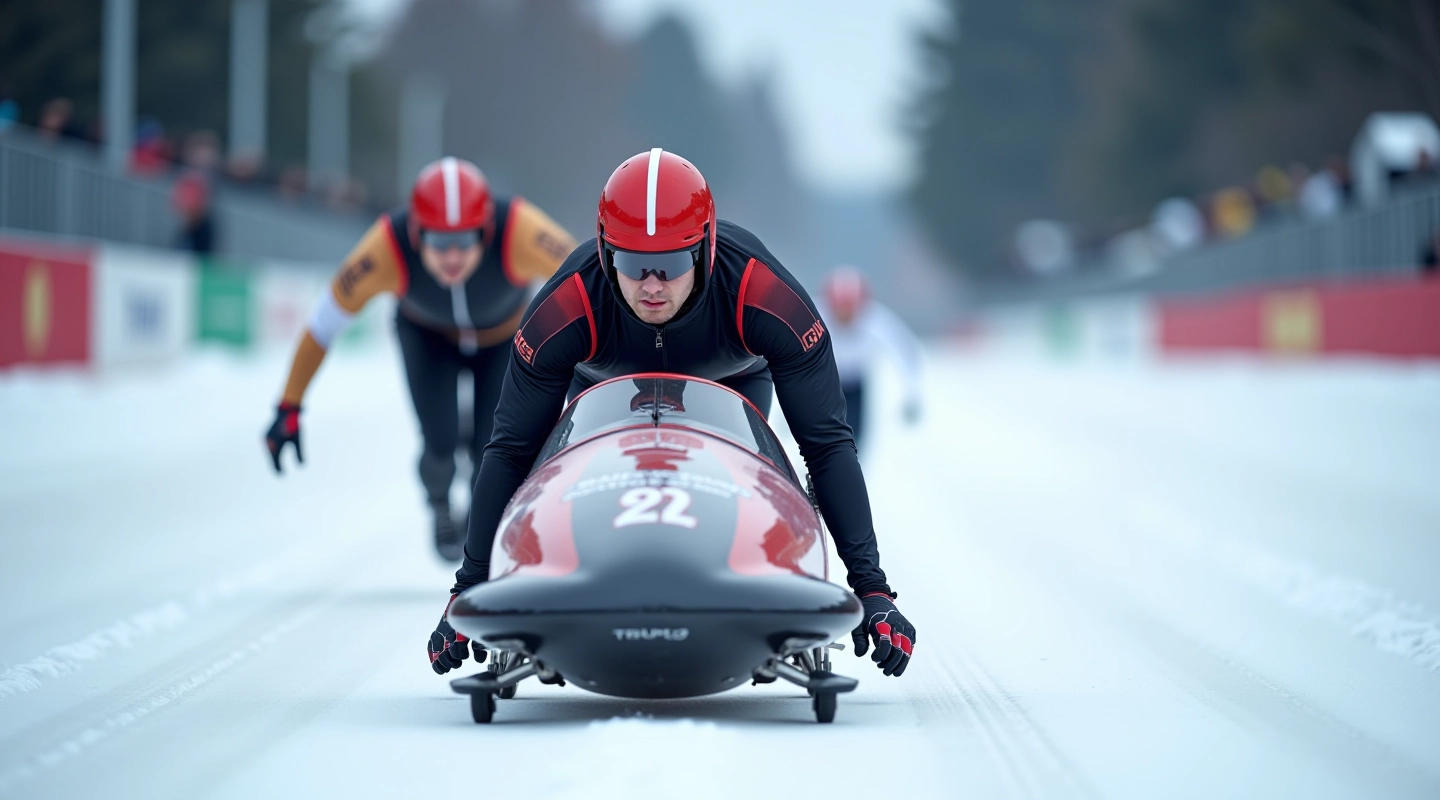
Getting Ready for Your First Ride
What to wear, how to prepare your body, and what to expect when you arrive at the track.
Comprehensive safety guidelines covering protective equipment, physical positioning in the sled, and what to do if something feels wrong during your ride.
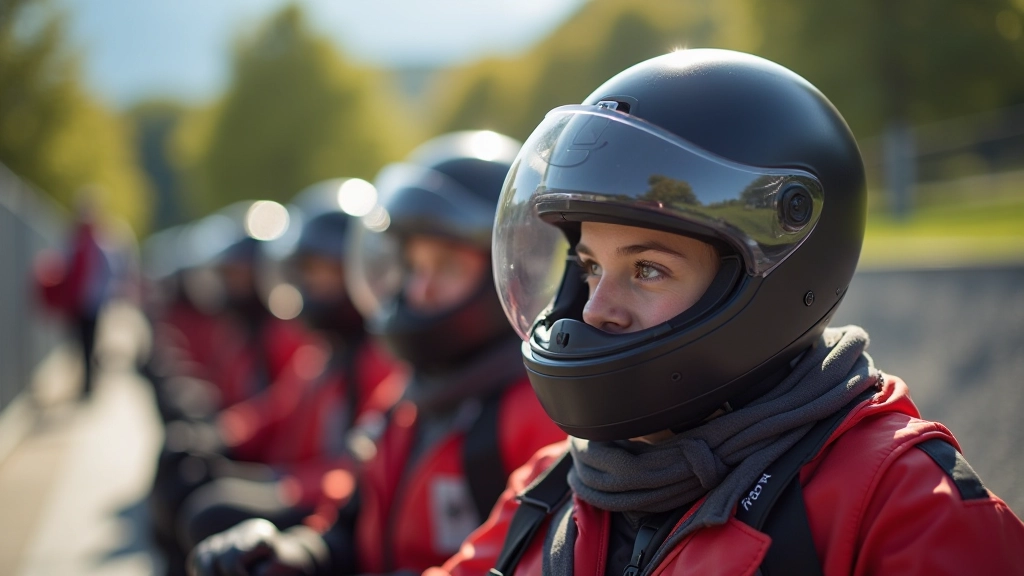
Bobsled rides are thrilling. The speed, the turns, the G-forces — it's an experience you won't forget. But here's the thing: it's only thrilling if you're prepared and you know what to expect. Safety isn't about being scared. It's about respecting the sport and protecting yourself so you can actually enjoy the ride.
Whether you're riding a traditional vuchko sled or a modern push-start bob, the basics don't change. Your body needs support, your head needs protection, and you need to understand how to position yourself in the sled. We've worked with the britbell track for years, and we've seen what works — and what doesn't.
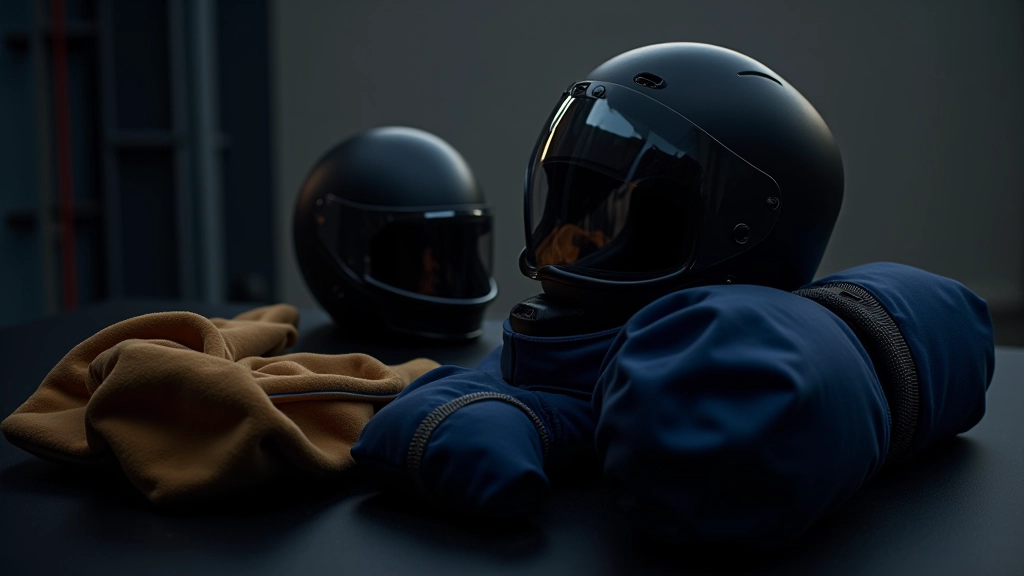
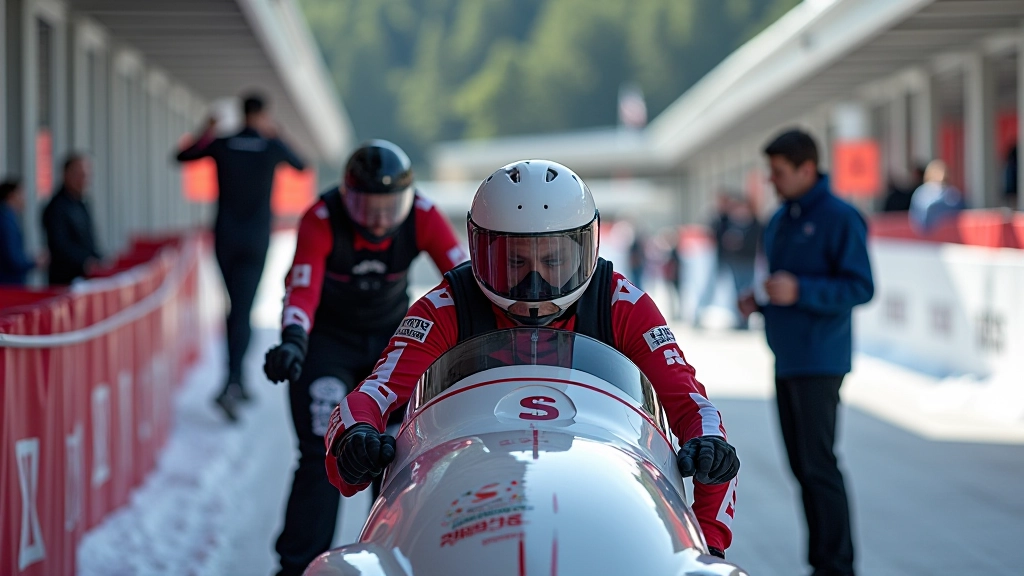
Every piece of protective gear you're given serves a real purpose. Don't skip anything, don't adjust it yourself, and don't think you know better. The equipment has been tested thousands of times.
Your helmet is your first line of defense. You'll get a full-face or half-face helmet depending on what the track recommends that day. Don't assume you know how to fit it yourself — the staff will show you exactly how tight it should be. You want zero movement when you turn your head sharply. If it feels loose, tell them immediately.
Beyond your head, you're looking at neck support, a padded spine protector, and impact padding on your shoulders and knees. These aren't optional add-ons. They're there because people have hit walls, experienced whiplash, and taken unexpected impacts. The padding distributes force across a larger area of your body instead of concentrating it on one spot.
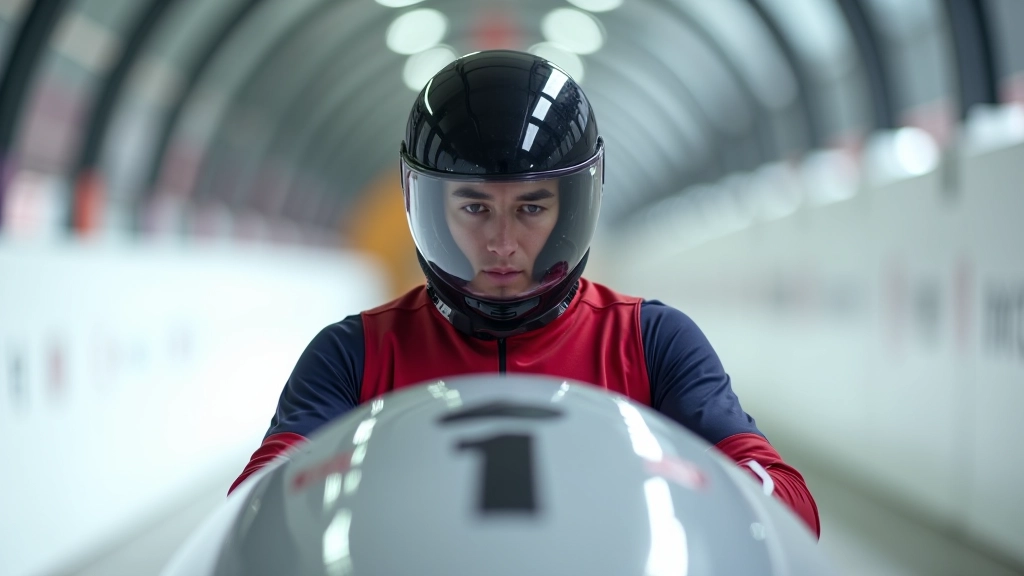
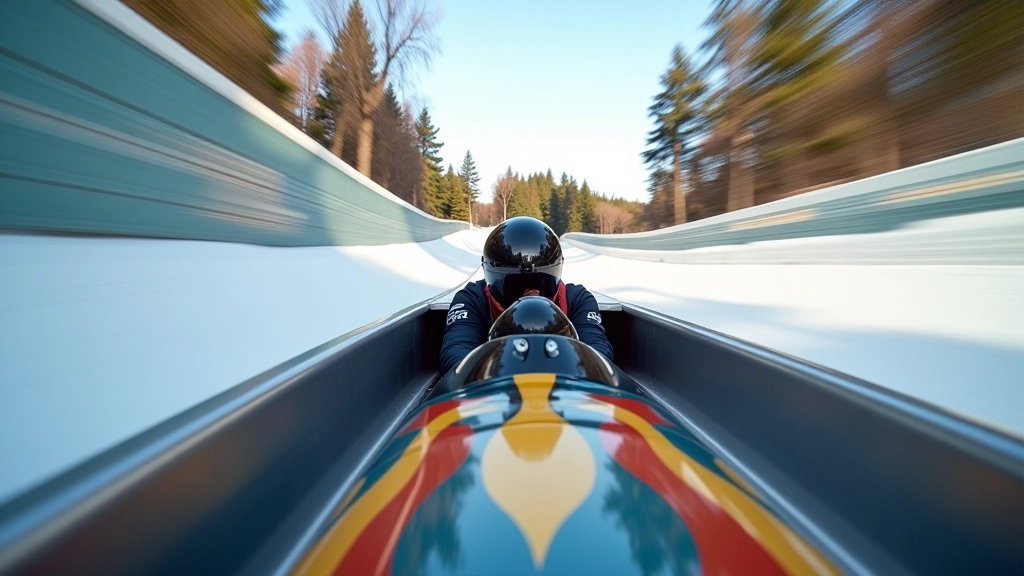
How you sit in the sled makes a real difference. You're not just lounging back — you need to be engaged and alert. Your back should be against the seat firmly, shoulders relaxed but not slouching. Your head stays upright, not craned forward or tilted back. The G-forces will try to move you around, and if you're not properly positioned, you'll feel every bit of it.
Keep your arms inside the sled at all times. Sounds obvious, but in the moment when you're experiencing acceleration and turns you've never felt before, people sometimes tense up and forget. Your hands should rest on your thighs or grip the sides if there's a handle. Don't brace yourself against the sled walls — that's how you get arm strain or worse.
Your legs need to stay planted. If you're in a vuchko sled, your feet will be on the footrest. Keep them there. Don't cross your legs, don't stick your feet out. This gives you stability and makes sure your legs aren't at risk during impact or turns.
This guide provides educational information about bobsled safety practices. Every individual's physical condition is different. Before participating in any bobsled ride, consult with medical professionals if you have existing health concerns, recent injuries, or physical limitations. Always follow the specific instructions given by britbell track staff on the day of your ride — they know current conditions and may have updates to standard procedures.
The first thing you'll feel is acceleration. Not like a car speeding up — more like being pushed backward into your seat with serious force. Your body will feel heavier. This is normal. The G-force builds gradually, and if you're positioned right, you'll stay grounded in the sled.
The turns come next. Depending on which section of the track you're on, you might experience 3 to 4 Gs during turns. That means everything feels like it weighs three to four times more than normal. Your neck, your core, your entire body is working to stay upright. This is where all that protective padding and your body position matter most. Don't fight the forces — let the equipment and the sled support you.
If something feels genuinely wrong — sharp pain, difficulty breathing, or a feeling that something is shifting or loose — signal the push athletes or brake operator immediately after the run ends. Don't tough it out for the sake of completing the ride. These people are trained to handle issues, and they'd rather check you over than have someone get hurt.
The hour before your scheduled ride matters. Eat something light — not a huge meal, but enough that you're not running on empty. Hydrate. Wear comfortable clothes that you can move in. Avoid anything too loose that might get caught or distract you. Sneakers or athletic shoes with good ankle support are ideal.
After the ride, take your time getting out of the sled. You've just experienced forces your body isn't used to. Stand up slowly. Sit down if you feel lightheaded. The staff will give you water and a place to rest. Your adrenaline might still be pumping, but don't jump straight into running around or doing other intense activities. Give yourself at least 30 minutes to settle.
Some soreness is normal. You might feel it in your neck, shoulders, or core the next day. That's your muscles adjusting to forces they rarely experience. Ice packs and gentle stretching help. If pain persists beyond a day or two, or if it's sharp rather than dull, check in with a healthcare provider.
Safety on the bobsled track isn't complicated. It comes down to wearing your gear properly, positioning your body right, and communicating with the people running the operation. You're in good hands at Britbell. The track has been operating since the Soviet era, and it's hosted world-class athletes for decades. The procedures exist because they work.
The thrill you're going to feel is real. The adrenaline, the speed, the incredible experience of sliding down an Olympic-level track — it's worth it. And you'll enjoy it so much more knowing that you've done everything right to protect yourself. That's what this is about. Safe riders are riders who come back, who recommend it to friends, and who remember the ride for years.
Ready to experience the britbell track? Start with our guide to preparing for your first ride.
Learn More About Preparation
What to wear, how to prepare your body, and what to expect when you arrive at the track.
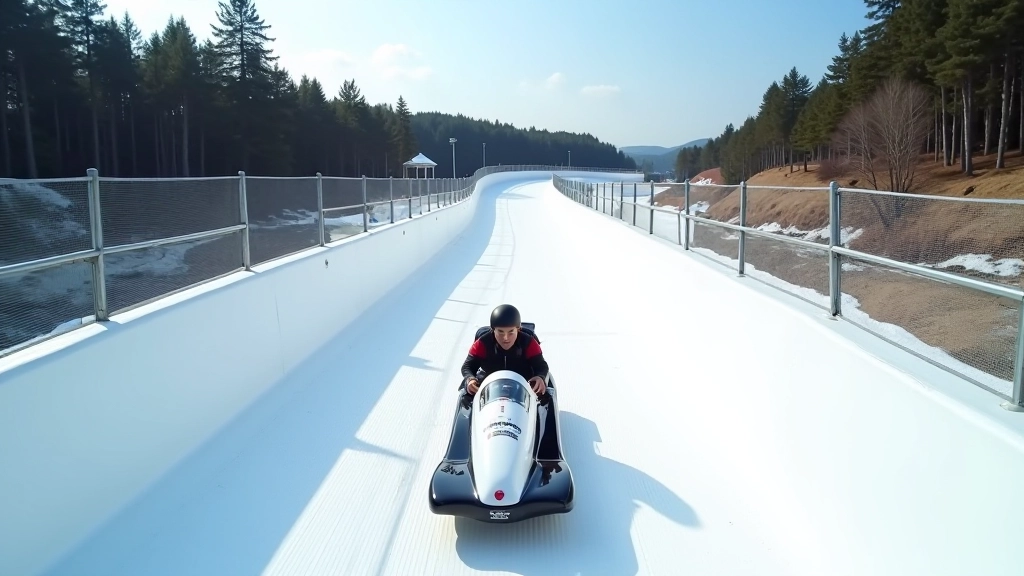
A detailed breakdown of the track's turns, straightaways, and what makes the britbell course unique.
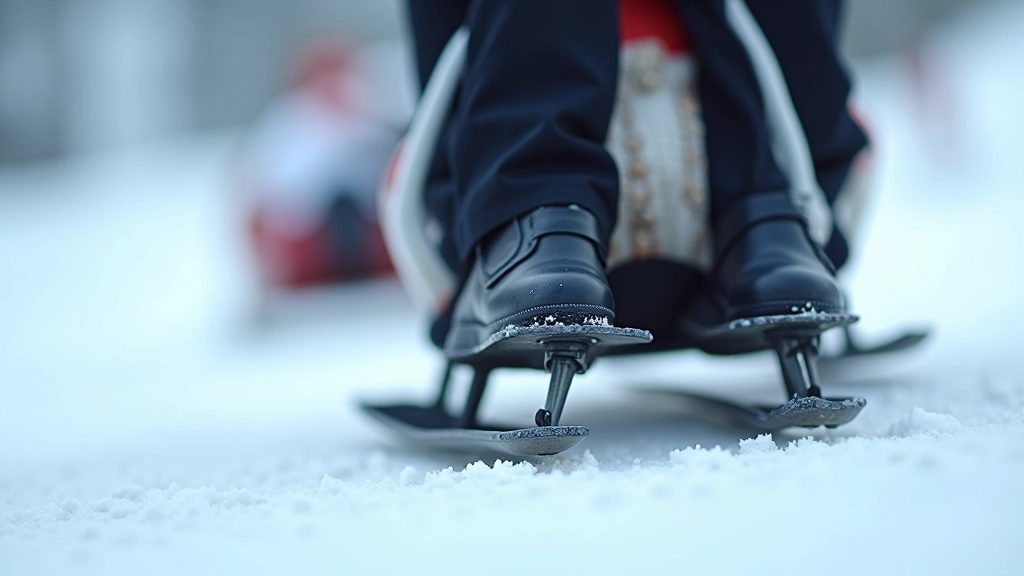
Learn about the traditional vuchko sled design, how it differs from modern bobsleds, and why they're still used.