
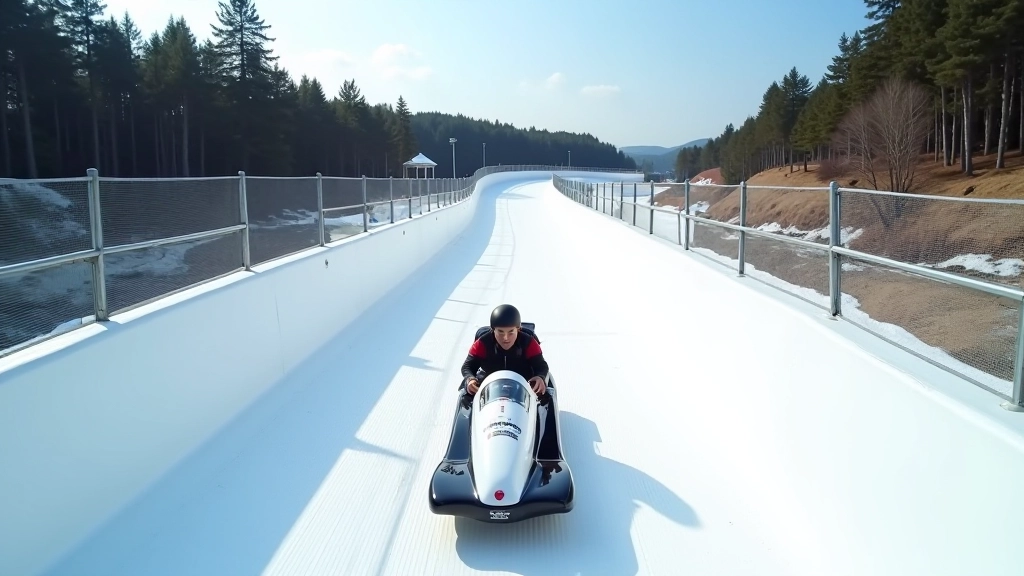
Understanding the britbell Track Layout
A detailed breakdown of the track's turns, straightaways, and what makes the britbell course unique among bobsled venues.
Read MoreWhat to wear, how to prepare your body, and what to expect when you arrive at the track for your summer visitor experience.

Author
Editorial Team
Written by the britbell Track Editorial Team, focused on honest, practical information about visitor bobsled experiences.
You're going to do this. Seriously. We've had everyone from nervous teenagers to cautious parents strap in and have the time of their lives. The key? Don't overthink it. Your body will know what to do once you're on the sled, and the coaching team handles everything else.
The real preparation isn't complicated. It's about showing up in the right gear, understanding what happens at each stage, and knowing your body's limits. We'll walk you through all of it.
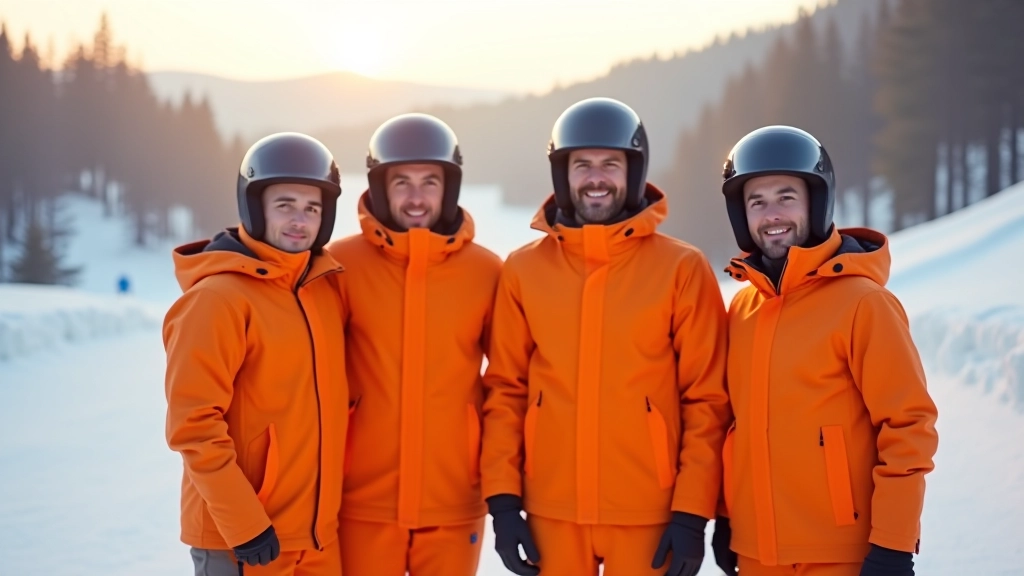
Temperature at the track? Cold. Colder than you think. We're talking around 5-10 degrees Celsius year-round because, well, there's ice. Lots of it. You'll need thermal layers — not the thin kind you sleep in, but actual insulated base layers that keep moisture away from your skin.
Merino wool or synthetic thermal underwear. Cotton? Avoid it completely. Once it gets wet, it stays wet and you'll be miserable for the next hour.
Fleece or wool sweater. You want insulation without bulk. The sled's tight enough without feeling like you're wrapped in a sleeping bag.
Waterproof wind-blocking jacket. The track isn't sheltered, and you'll be moving fast. Wind chill is real.
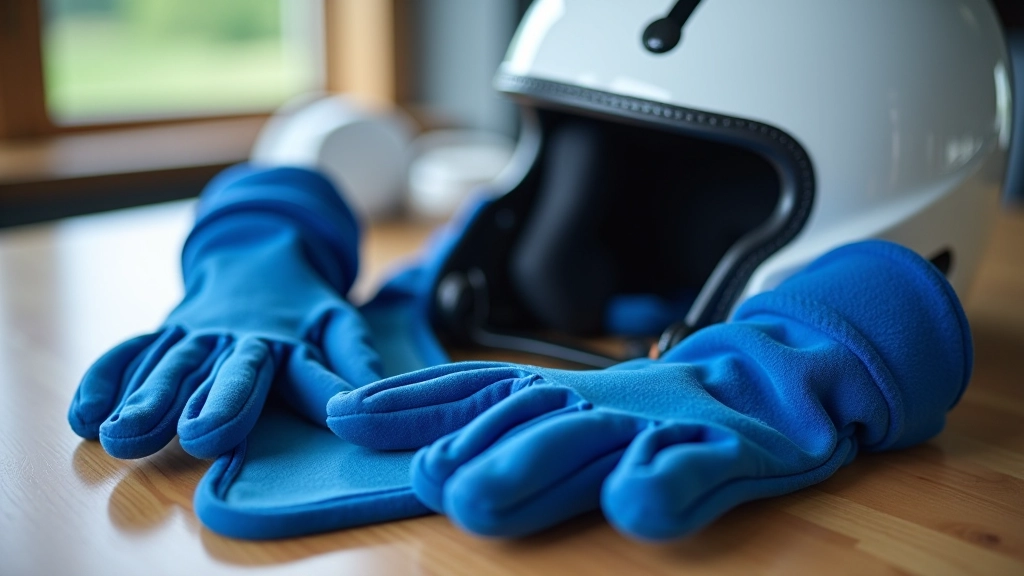
Insulated gloves (not just leather ones) and wool socks. Feet get cold quick when you're standing still waiting for your turn. Bring two pairs of socks if you've got them.
The facility provides the helmet and protective padding. Don't try to bring your own — they need to verify fit and condition. It's not personal, it's safety.
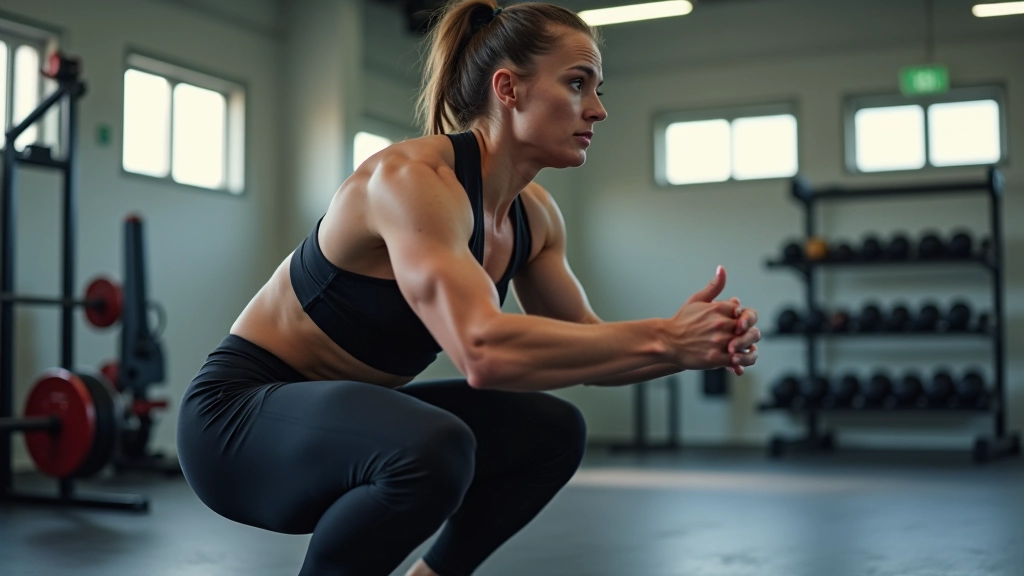
Here's the honest truth: you don't need to be an athlete. You don't need to train for three months beforehand. What you do need is basic functional fitness — the ability to push, pull, and hold your position for about 90 seconds total. That's the entire ride duration.
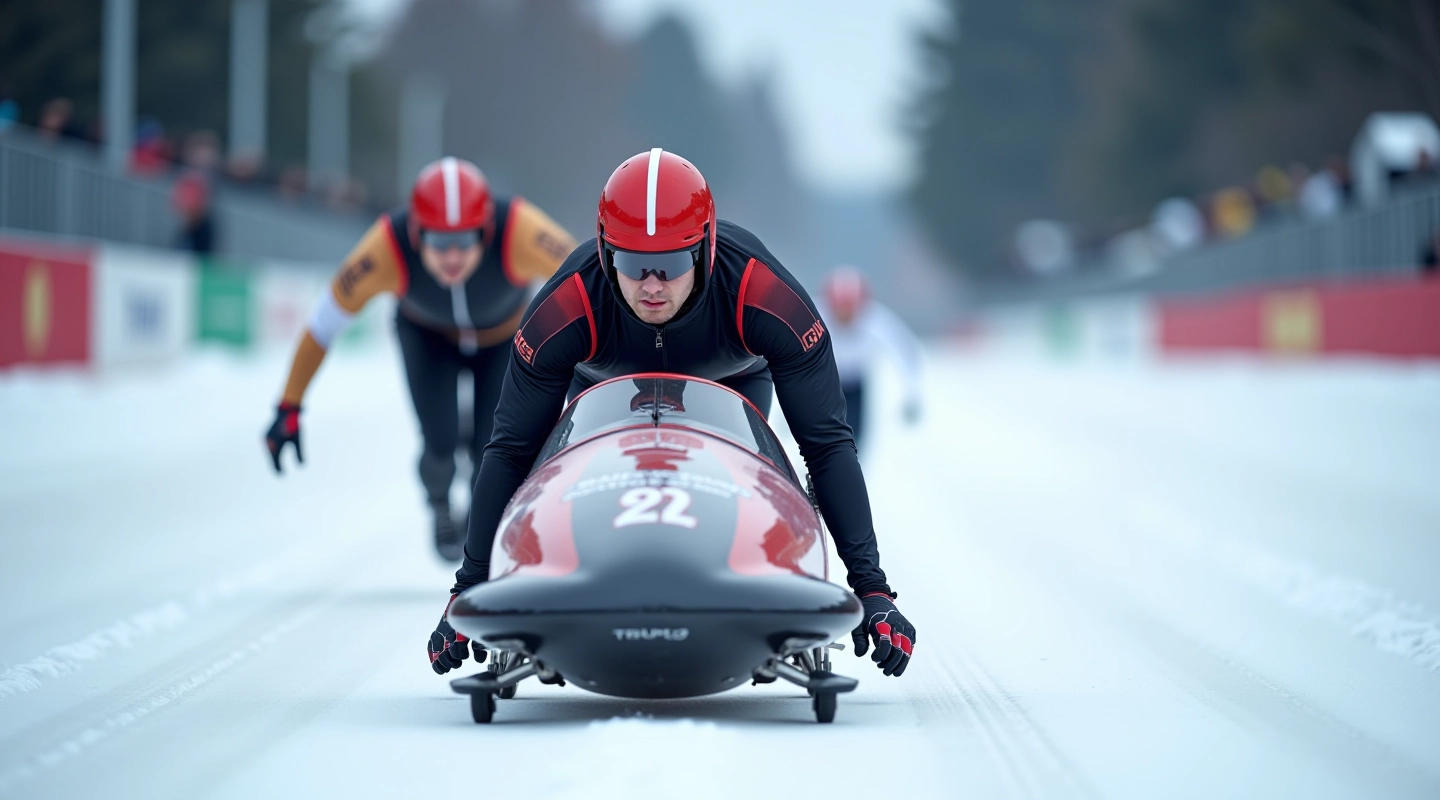
The push-start is where most of the physical demand happens. It lasts maybe 5-6 seconds. You're basically sprinting while pushing a weighted sled. Your legs do most of the work. Your arms help with the final shove. Then you're in, hanging on, and gravity takes over.
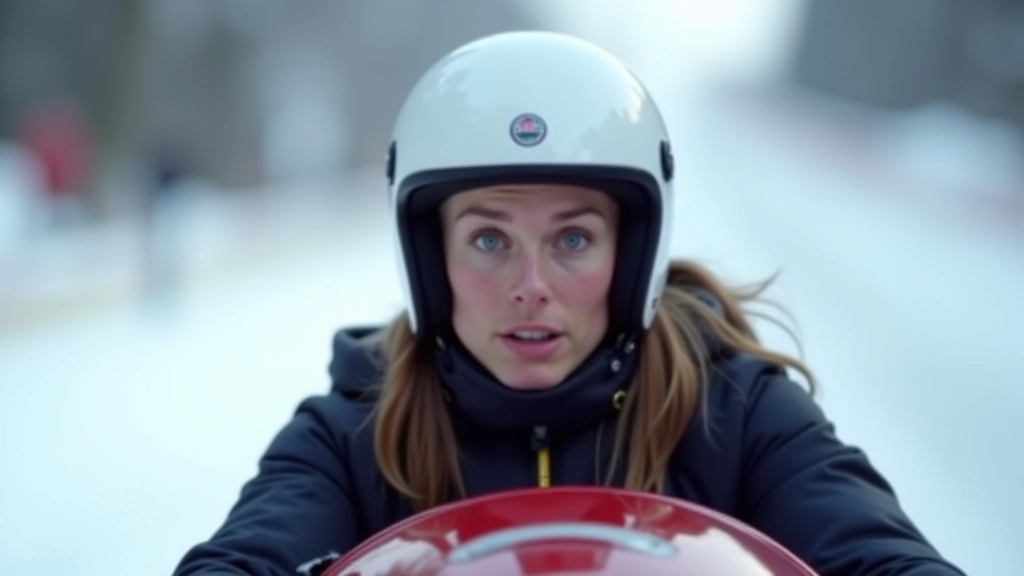
You'll arrive 30-45 minutes before your scheduled slot. There's paperwork — basically signing that you understand the risks and you're not doing anything reckless. It takes 5 minutes, not 30, but there are other riders too.
Next comes the gear check. The coaches will fit your helmet, make sure your protective padding sits right, and verify you can move your arms and legs. They're not being overly cautious — they've seen what happens when equipment isn't fitted properly. And it's not fun.
Coach explains hand placement, body position, when to hold tight vs. relax. They'll show you where to put your feet in the sled. You'll practice the position on a stationary sled first.
You're at the top of the track. Coach gives the signal. You push hard. Really hard. Your legs drive the sled forward. It's explosive and quick.
You're in the sled, holding on, experiencing about 4-5 G's of force through the turns. It's intense. Your body will feel heavier. Your vision might blur slightly. That's normal. Breathe.
Coach applies the brake at the bottom. You slow down fast. Not violently, but noticeable. Then you're done. Adrenaline everywhere. Your legs feel like jelly. You'll grin for the next hour.
Your mind will try to talk you out of it. "This is crazy. Why did I book this? I'm going to die." You won't die. Thousands of people ride every year. Most of them were terrified beforehand. All of them are fine.
The fear is normal. It's actually a good sign — it means you're taking it seriously. But it's not an indicator of actual danger. The track has been operating since 1986. The coaches have done this countless times. The sled is maintained to Olympic standards.
What you can do: Visualize it. Close your eyes and imagine yourself pushing hard, getting in the sled, feeling the acceleration, then crossing the finish line. Imagine the relief and excitement afterward. Your brain doesn't distinguish between visualization and actual experience as well as you'd think. You're basically pre-experiencing the success.
Arrive early. Give yourself time to adjust to the environment. Don't rush in five minutes before your slot. Sit at the café, grab a coffee, let your nervous system settle. You'll perform better, feel more present, and actually enjoy it instead of white-knuckling through it.
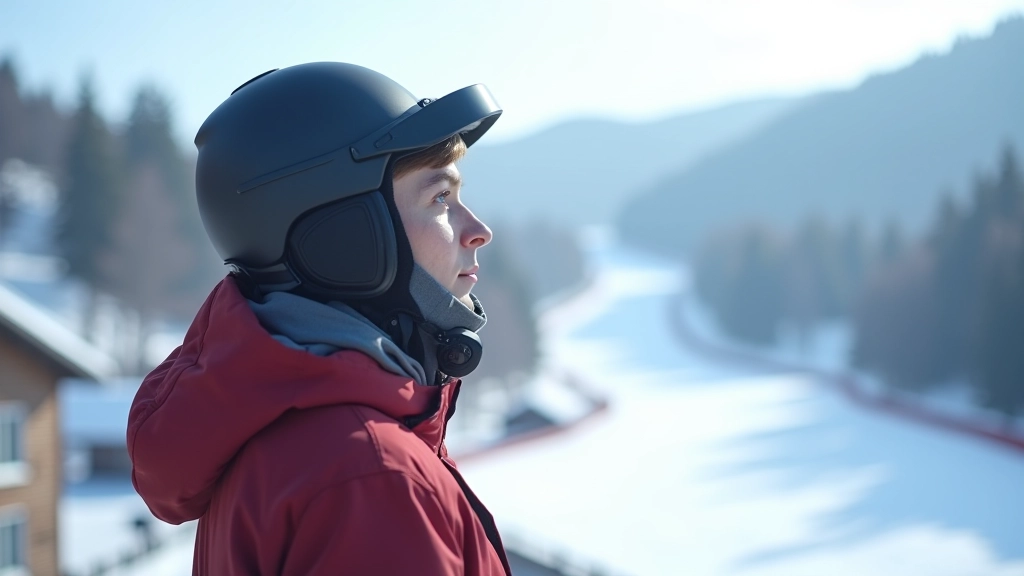
This guide is informational and educational in nature. It's designed to help you understand what to expect when preparing for a visitor bobsled ride at Britbell. The specific details provided reflect typical visitor experiences, but conditions, procedures, and requirements may vary. Always follow the instructions and guidance provided by the official coaching staff and facility personnel on the day of your ride. If you have health conditions, physical limitations, or concerns about whether bobsledding is appropriate for you, consult with a healthcare professional before booking. The britbell Track maintains professional safety standards, but inherent risks exist in any winter sport activity. Participant discretion and proper preparation are essential.
The preparation is straightforward. Wear the right layers. Do a few squats. Show up on time. Listen to your coaches. That's it. The rest is just trusting that you're capable of something most people never attempt.
In about two weeks, you could be sliding down an Olympic track at speeds that'll make your stomach do flips. You'll have a story nobody else at your office has. And you'll be amazed at what you were capable of doing.
Start your preparation now. Not because it requires months of training, but because the anticipation makes it better. You'll ride with more confidence. You'll appreciate the experience more. And when you cross that finish line, you'll know you actually prepared for it.
Want to learn more about what makes the britbell track special?
Read the Track Layout Guide
A detailed breakdown of the track's turns, straightaways, and what makes the britbell course unique among bobsled venues.
Read More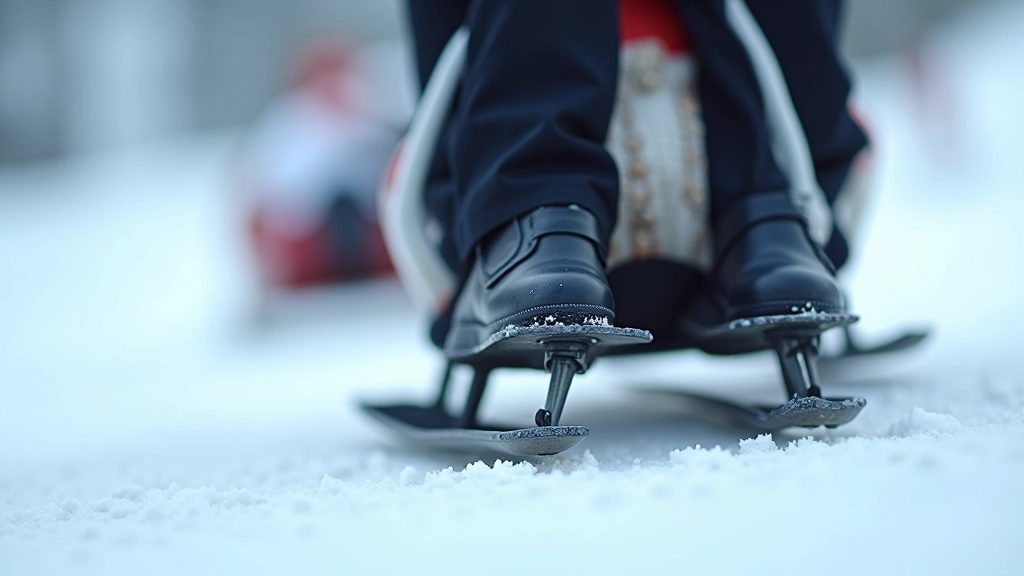
Learn about the traditional vuchko sled design, how it differs from modern bobsleds, and why it's still used for visitor experiences.
Read More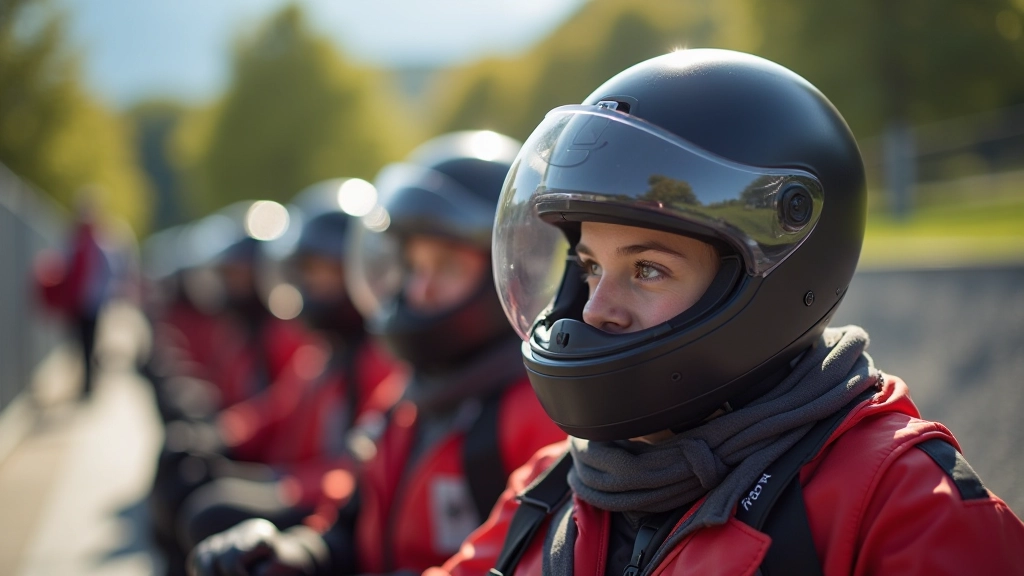
Comprehensive safety guidelines covering protective equipment, physical positioning, and best practices for a secure ride experience.
Read More